

Spring is one of New Zealand’s most rewarding fishing seasons. As the water begins to warm, baitfish become more active, snapper move into shallower coastal areas, and kingfish start giving anglers more chances around reefs, pins and harbour entrances.
The weather can still change quickly, so success comes from matching your tackle and technique to the conditions. Here’s how to make the most of spring fishing in Aotearoa.
What fish can you target in spring?
Snapper
Snapper are the headline species for many spring anglers. Fish begin moving from deeper winter grounds toward bays, reefs and coastal structure as food becomes more plentiful. Early mornings, late afternoons and periods around a tide change are strong times to fish.
Slow-pitch jigs, kabura-style lures and inchiku jigs are effective when snapper are holding near the bottom. Start with a controlled drop, stay in touch with the lure, and use slow lifts rather than aggressive jerks. If there is plenty of current or wind, increase jig weight so the lure remains close to vertical.
Kingfish
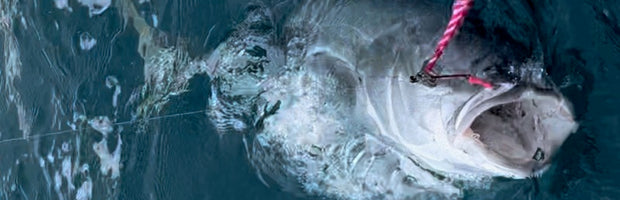
Spring kingfish can appear around reefs, channel markers, headlands and schools of bait. Mechanical jigs work well when fish are deeper, while stickbaits and live baits can be better when kingfish are feeding near the surface.
Use tackle strong enough to turn a fish away from structure. Check leaders, knots and hooks before every session because even a small kingfish can expose weak gear quickly.
Gurnard and blue cod
Gurnard remain a reliable option over sandy or muddy bottoms, especially when fished with smaller jigs or bait close to the seabed. In the South Island, blue cod continue to be a popular target around rocky ground. Keep lure movements compact and maintain bottom contact without dragging into snags.
Choosing the right spring jig
Your jig should reach the strike zone and stay there. In shallow, calm water, a lighter lure gives a slower, more natural fall. In deeper water or strong current, a heavier jig provides better control.
- Inchiku jigs: A versatile choice for snapper and other bottom fish. Use slow lifts and let the skirt pulse naturally.
- Kabura-style jigs: Excellent for a steady retrieve just off the bottom, particularly when fish are feeding cautiously.
- Slow-pitch jigs: Useful for covering different depths and triggering fish with an erratic falling action.
- Mechanical jigs: Best when kingfish are active and holding deeper in the water column.
As a simple starting point, fish the lightest jig that lets you feel the bottom and maintain control. If your line angles too far away from the boat, move up in weight.
Read the conditions
Spring weather is changeable. Check the marine forecast, swell, wind and tides before leaving, and keep monitoring conditions while on the water. A light offshore breeze can turn quickly, and water temperatures may still be cold enough to make immersion dangerous.
Look for signs of life such as diving birds, bait on the sounder, current lines and patches of warmer water. If a spot is quiet, change depth, lure colour or jig weight before moving on. Small adjustments often make the difference.
Spring fishing checklist
- Check local fishing rules, size limits and closed areas before the trip.
- Carry a correctly fitted lifejacket and reliable communications.
- Inspect assist hooks, split rings, leaders and knots.
- Pack a mix of jig styles and weights for changing depth and current.
- Use a landing net and wet hands when releasing fish.
- Keep only what you need and handle your catch carefully.
Get ready for snapper season
Spring is a great time to refine your jigging technique before the busiest summer fishing begins. Focus on lure control, stay close to the bottom, and let the jig’s movement do the work.
Explore the OK.fish Snapper Jigs collection to find lure styles and weights suited to New Zealand conditions.