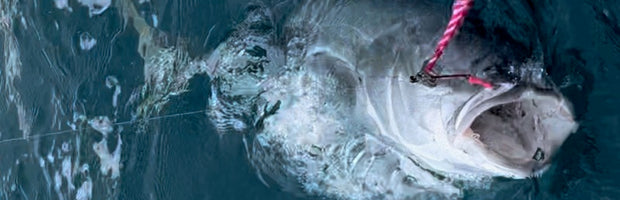


Soft baiting has transformed recreational fishing in New Zealand. Once a niche technique borrowed from the US bass fishing scene, it's now the dominant inshore method for targeting snapper, kahawai, kingfish, and more — and for good reason. Soft plastics are versatile, realistic, and devastatingly effective in NZ waters.
Why Soft Baiting Works in NZ
NZ fish are smart. They see a lot of fishing pressure, particularly in harbours and popular inshore grounds, and they can become wary of conventional bait and lures. Soft plastics bridge the gap — they look and move like real bait, but you can cover ground like a lure angler. The result is a technique that consistently produces when other methods struggle.
Target Species
- Snapper — the primary target for most NZ soft baiters; respond excellently to paddle tails and curl tails worked near the bottom
- Kahawai — aggressive surface and mid-water feeders; great sport on lighter soft bait gear
- Kingfish — large profile soft plastics worked fast near structure; one of the most exciting soft bait targets in NZ
- Gurnard — bottom dwellers that readily take small soft plastics bounced along sandy ground
- Trevally — mid-water to surface feeders; respond well to smaller paddle tails worked at speed
- Flounder — slow presentations along sandy bottom can be highly effective
Essential Gear
Rods
A dedicated soft bait rod makes a big difference. Look for:
- Length: 7'–7'6" for most inshore applications; longer for surf or rock fishing
- Action: Fast tip with a progressive backbone — the fast tip loads on the cast and transmits subtle takes; the backbone handles the fight
- Rating: 8–15lb (PE0.8–1.5) for light work; 10–20lb (PE1–2) for general snapper; heavier for kingfish
Reels
- 2500–4000 size spinning reel for general soft baiting
- Smooth, reliable drag is critical — snapper and kingfish make hard initial runs
- A high gear ratio (6:1 or higher) helps with fast retrieves and picking up slack quickly on the strike
Braid and Leader
- Braid: PE0.8–2 (8–20lb) — braid's lack of stretch gives you direct feel of the bottom and instant hook sets
- Leader: 12–30lb fluorocarbon, 1–2m — fluoro is nearly invisible underwater and abrasion-resistant around reef and structure
- Connection: Use an Albright knot or FG knot to join braid to leader — both are slim enough to pass through the rod guides cleanly
Jig Heads
The jig head is the foundation of your soft bait rig — get this right and everything else follows.
- Weight: Match to depth and current. As a rule: 7–14g for shallow harbours (under 10m), 14–28g for 10–25m, 28g+ for deeper or fast-current situations. Go as light as you can get away with — lighter presentations get more bites.
- Hook size: Match to your soft plastic. The hook point should sit just inside the tail of the lure. A hook that's too small will miss fish; too large and the lure won't swim correctly.
- Head style: Round head for general use; bullet/dart head for faster retrieves and current; stand-up head for bottom-bouncing over foul ground
Soft Plastic Types
- Paddle tail (shad): The most versatile NZ soft bait — the paddle creates action on any retrieve speed. 3"–5" in natural colours (pink, white, pinkish-white) dominates for snapper.
- Curl tail (grub): Excellent slow-falling action; great for fussy fish or deeper drops where you want maximum movement with minimum retrieve speed
- Jerk shad (stick bait): Minimal built-in action — the angler provides the movement with rod twitches and pauses. Deadly for snapper when worked near the bottom.
- Creature/crab profiles: Slow sinking bottom presentations; excellent for targeting snapper on sandy ground where they're feeding on crabs and shellfish
Colour Selection
NZ soft baiters have strong opinions on colour, and a few rules hold up consistently:
- Clear/blue water: Natural colours — white, pink, pearl, light grey. Match the local baitfish profile.
- Dirty/green water: Brighter colours — chartreuse, hot pink, orange. Contrast is key when visibility is low.
- Deep water (>30m): Glow and UV-reactive colours can make a real difference as natural light diminishes
- General rule: Start with pink/white — it works almost everywhere in NZ and should be your first choice until you have a reason to change
Technique: How to Work a Soft Bait
The most effective NZ soft bait technique for snapper is the lift-drop (also called the slow roll or hop retrieve):
- Cast and sink — let the lure sink to the bottom on a semi-slack line. Count it down so you know the depth.
- Lift — raise the rod tip smoothly from low to high (about 1–1.5m of lift), winding in slack as you go
- Drop — lower the rod tip back down and let the lure sink again. Keep light tension on the line so you feel the take.
- Repeat — most strikes happen on the drop. Stay alert for any tick, tap, or line movement.
Variation for kahawai and trevally: Fast continuous retrieve with occasional pauses — these species respond to speed and reaction bites.
Variation for kingfish: Large profile plastics worked fast near the surface or around structure. Kingfish are ambush predators — speed and confidence in your retrieve triggers the strike.
Where to Soft Bait in NZ
- Harbours and estuaries: Excellent snapper grounds — work sandy channels, drop-offs, and mooring lines. Wade-fishing in shallow harbours is increasingly popular.
- Rocky reef edges: Cast parallel to the reef and work the plastic along the edge and over sandy pockets
- Sandy bottom transitions: Where reef meets sand is a prime snapper feeding zone — target this edge
- Around structure: Wharves, channel markers, and mooring buoys all hold baitfish — and predators
Reading the Bite
Soft bait strikes can be subtle — especially from snapper picking up a lure on the drop. Learn to recognise these signs:
- A tick or tap felt through the rod during the drop
- The line going slack too quickly — the fish has picked it up and swum toward you
- The line moving sideways on the drop — a snapper has taken it and turned
- A solid thud on the lift — the fish is hooked; wind fast and set the hook with a firm sweep
Browse our full range of soft baits, jig heads, and soft bait gear — everything you need to get started or upgrade your setup for NZ conditions.